Pipes
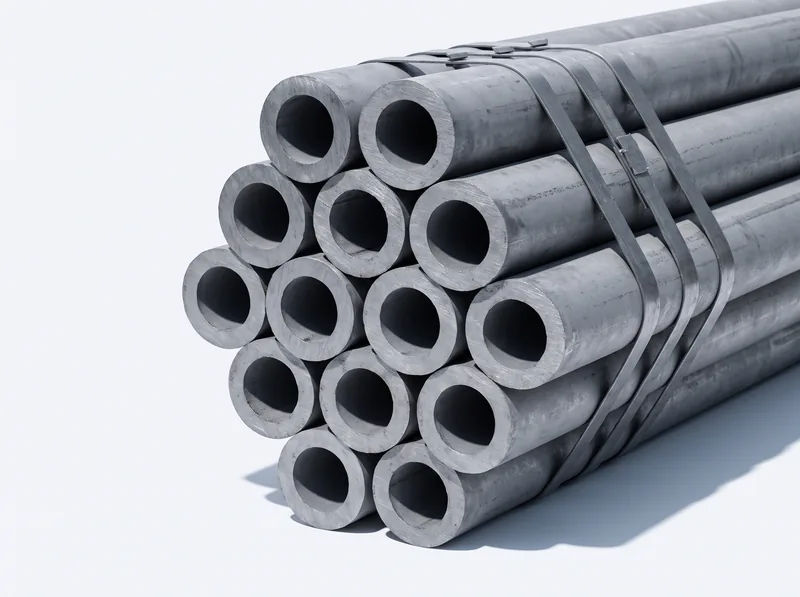
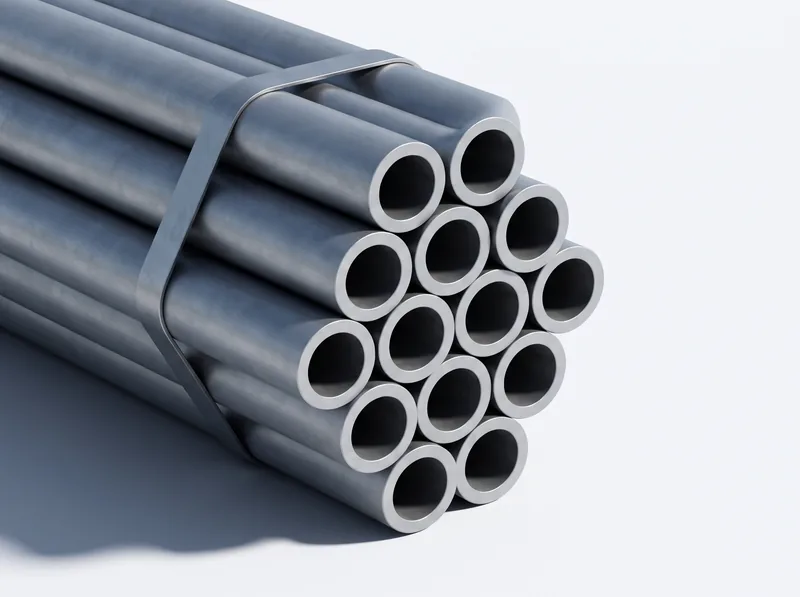
Steel pipes for pipelines, frames and utility networks: seamless and welded round pipes, square and rectangular hollow sections, water and gas pipes, galvanized, stainless and large-diameter spiral-welded pipes.
8
items with size and weight tables
28
standards for rolling and acceptance
Items in this category
Seamless, welded, hollow section, galvanized, stainless, spiral-welded
What it is and how it is supplied
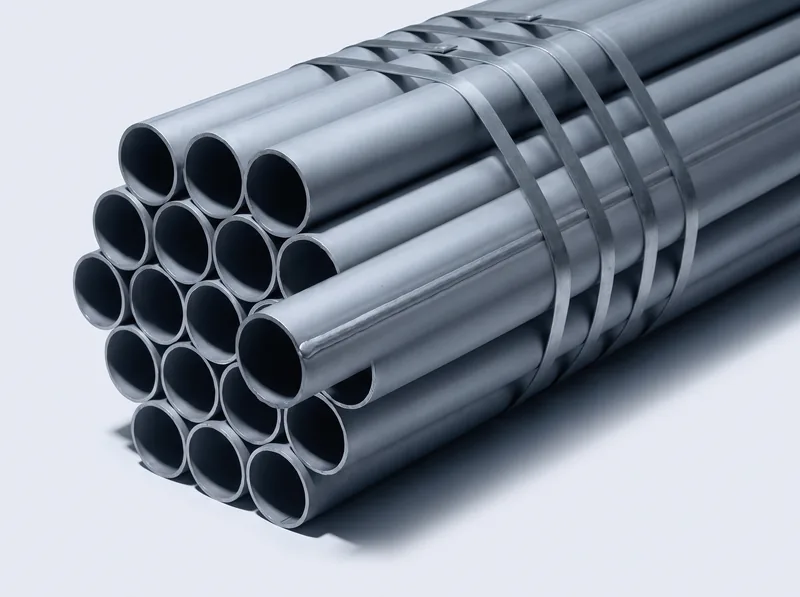
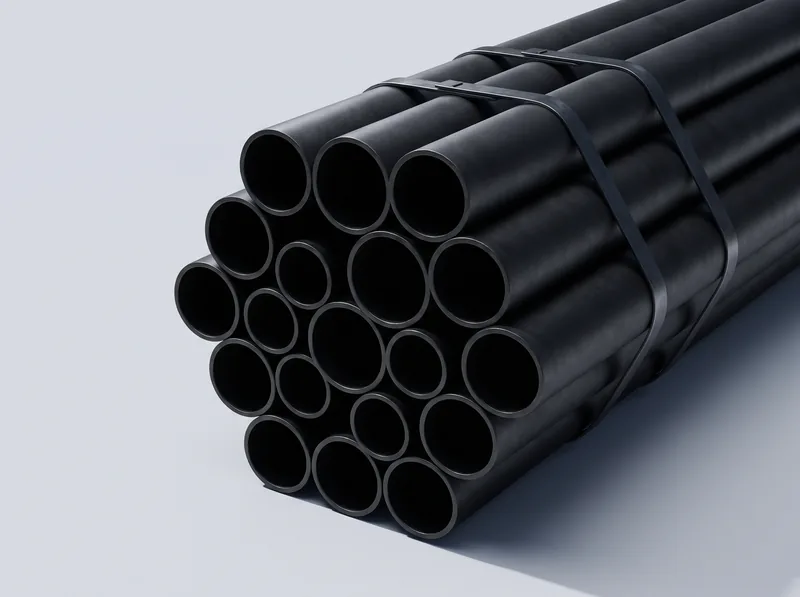
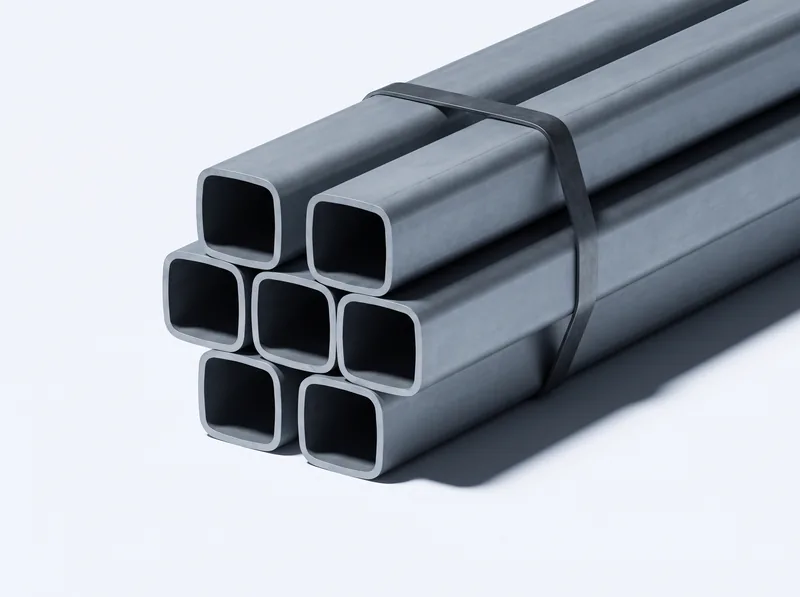
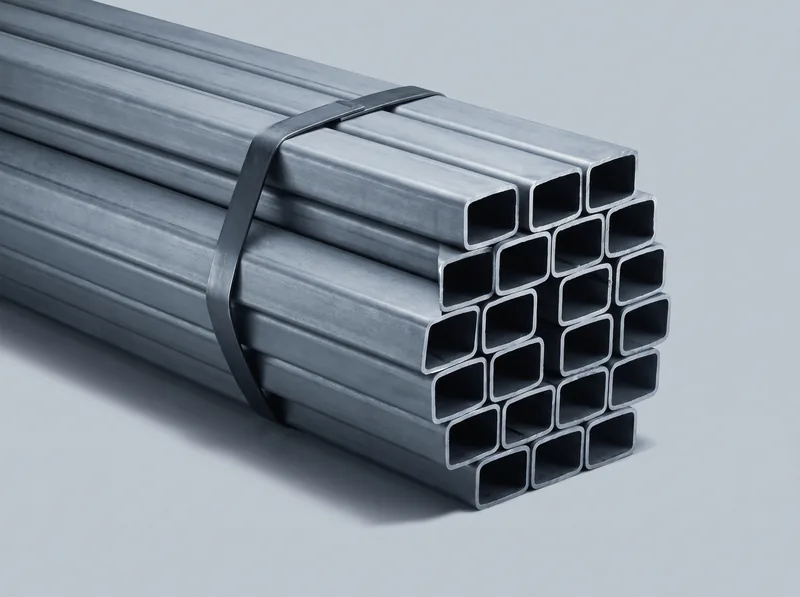
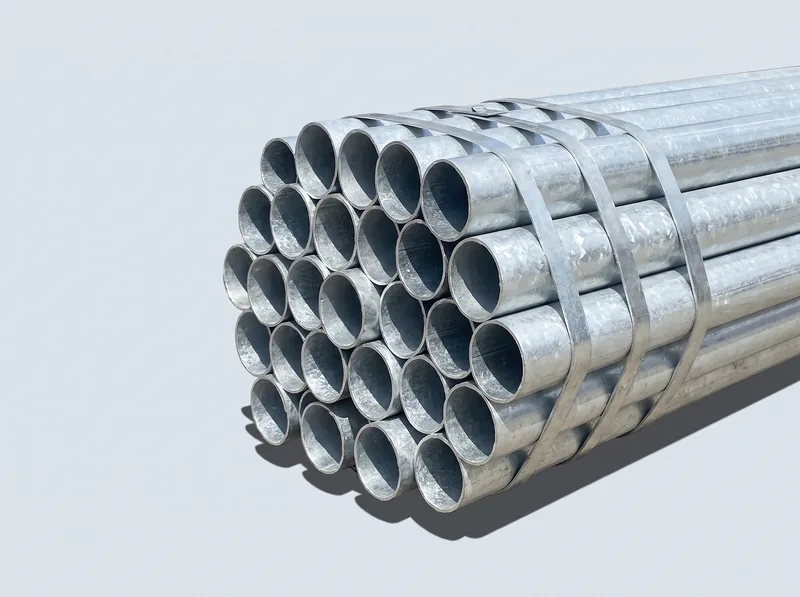
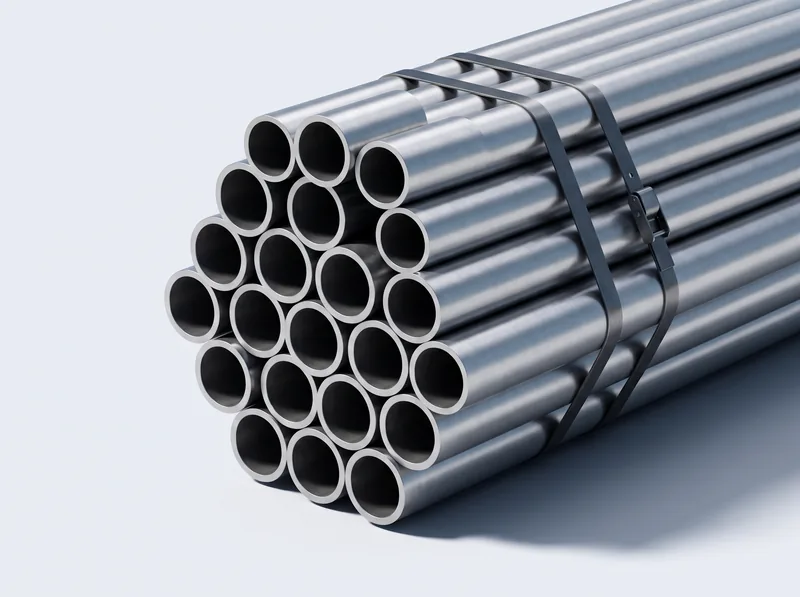
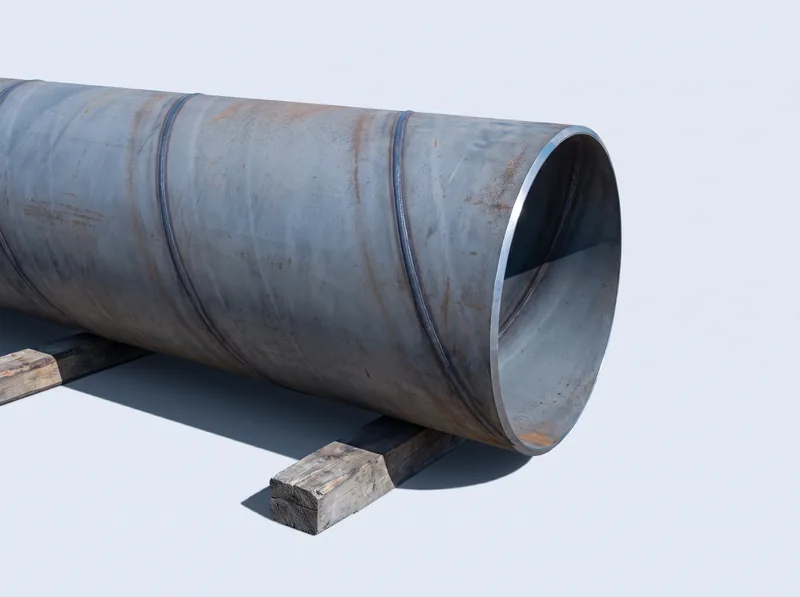
A pipe is selected by three attributes: production method, steel grade and size. A seamless pipe is rolled from a solid billet by piercing and elongation, so it has no weld and is used for pressure, temperature and boiler circuits. A welded pipe is formed from strip and welded by high-frequency current; it is simpler to produce and covers structures, fencing, and low-pressure water and gas lines. A spiral-welded pipe is formed from coil in a helix and submerged-arc welded, which is how diameters from 530 mm are made for trunk lines and water mains. A hollow section is the same welded pipe, but shaped into a square or rectangle for frames.
Details
The market in Uzbekistan specifies pipes to GOST: 8732 and 8731 for seamless, 10704 and 10705 for welded, 3262 for water and gas pipes, 8639, 8645 and 30245 for hollow sections, 8696 and 20295 for spiral-welded, 9941 for stainless. Mills in China work to GB/T 8162, 8163, 3091, 6728, 9711, 14976 and to ASTM A106, A53, A500, A312 for export. Grades are not literal equals: steel 20 and 20#, St3sp and Q235B, 09G2S and Q355B are close in chemical composition and mechanical properties, but the standards differ in testing and tolerances. In the specification the bureau records which standard the pipe is accepted to and which parameters the mill confirms in the certificate.
Batch inspection at the mill for pipes includes measuring the outside diameter and wall thickness with a micrometer and callipers at the pipe ends, checking ovality and wall-thickness variation, examining the weld and the ends, and matching the heat number in the pipe marking against the mill test certificate (MTC), which states the chemical composition, mechanical properties, hydrostatic test result and non-destructive weld test result. The batch ships after a report with photo documentation. Rejects recorded in the report are replaced; the replacement is supplied by the manufacturing mill under its contract with the bureau.
Grade equivalents
Equivalents are the nearest, not identical: the exact grade and standard are written into the contract.
| GOST | GB (China) | ASTM | EN | Note |
|---|---|---|---|---|
| Steel 20 | GB (China)20# | ASTMA106 Gr.B | ENP235GH | NoteSeamless pipes. Nearest equivalents by composition and strength; test requirements differ between the standards |
| Steel 45 | GB (China)45# | ASTM1045 (A519) | ENC45 | NoteSeamless pipes for machining, nearest equivalents. A519 is a standard for mechanical tubing; C45 under EN 10083 is a steel grade, tubes in it are made to EN 10297-1 |
| 09G2S | GB (China)Q355B | ASTMA572 Gr.50 | ENS355J2H | NoteLow-alloy steel, nearest equivalents. Before GB/T 1591-2018 the grade was designated Q345B; A572 is a standard for rolled products, not for pipe; S355J2H is a hollow section grade under EN 10219 |
| St3sp | GB (China)Q235B | ASTMA53 Gr.B | ENP235TR1 | NoteWelded pipes. A53 Gr.B is the nearest equivalent: its tensile strength is higher than that of Q235B |
| St3sp | GB (China)Q235B | ASTMA500 Gr.B | ENS235JRH | NoteHollow sections. A500 specifies a higher yield strength than Q235B; structural design uses the standard stated in the specification |
| St2sp, St3sp | GB (China)Q195, Q235 | ASTMA53 Gr.A | ENS195T | NoteWater and gas pipes. GOST 3262 does not specify mechanical properties, so the grade comparison is nominal |
| K42 (GOST 20295) | GB (China)L245 (GB/T 9711) | ASTMAPI 5L Gr.B | ENL245NB | NoteSpiral-welded pipes. A strength class by tensile strength, not a steel grade |
| 08Kh18N10 | GB (China)06Cr19Ni10 | ASTMTP304 | EN1.4301 | NoteStainless pipes. Austenitic 18-10 steel; 03Kh17N14M3 corresponds to TP316L and 1.4404 |
Equivalents are the closest match, not identical: chemistry and tolerances differ between standards. The exact grade and standard are written into the contract.
Buyer questions
How to read a mill test certificate for pipe
The certificate (MTC) states the standard, steel grade, size, heat number, chemical composition by element, mechanical properties of the test specimens (yield strength, tensile strength, elongation), the hydrostatic test result and, for welded pipe, the result of non-destructive testing of the weld. The heat number in the certificate is matched against the marking on the pipe and the bundle tag: this is the only link between the document and the metal. The bureau checks this match at the mill before shipment and attaches the certificate to the inspection report.
How a seamless pipe differs from a welded one and when each is needed
A seamless pipe is rolled from a solid billet, it has no weld, and it goes where there is pressure, temperature or alternating load: boiler plants, steam, hydraulics, machine parts. A welded pipe is formed from strip and welded by high-frequency current; at the same size it is simpler to produce, and the weld passes a hydrostatic test and non-destructive testing. For structures, fencing, water lines and low-pressure gas lines a welded pipe does the job. The choice is fixed in the specification by the project, not by price.
How the tonnage of a pipe batch is calculated
The theoretical weight per metre of round pipe is calculated as 0.02466 · (D − t) · t, where D is the outside diameter and t the wall thickness in millimetres, steel density 7.85 g/cm³. For a hollow section: 0.0157 · t · (a + b − 2.86 · t). The actual weight is determined by weighing at the mill and is stated in the packing list. Whether settlement is by theoretical or actual weight is fixed in the specification before the order is placed: on thin walls the difference between them is noticeable.
What is checked during batch inspection of pipes at the mill
Outside diameter and wall thickness with a micrometer and callipers at both ends of the sampled pipes, ovality, wall-thickness variation, straightness, condition of the ends and bevel, the weld of welded pipe from outside and, where accessible, from inside, marking on every pipe, the bundle tag and matching of the heat number against the mill test certificate. The results are entered in a report with photo documentation. Rejects recorded in the report are replaced; the replacement is supplied by the manufacturing mill under its contract with the bureau.
What quantity can be ordered
The batch is sized to your quantity — send a specification with sizes, grades, acceptance standard and lengths. The manufacturing mill confirms the batch for a specific size range; the bureau agrees the inspection and acceptance procedure in the contract. Several sizes in one batch are sourced from one mill or from several if their size ranges differ.
Price request
Send your specification and we will quote your batch
Price depends on grade, size, tonnage and delivery terms on the day of contract.
Request received