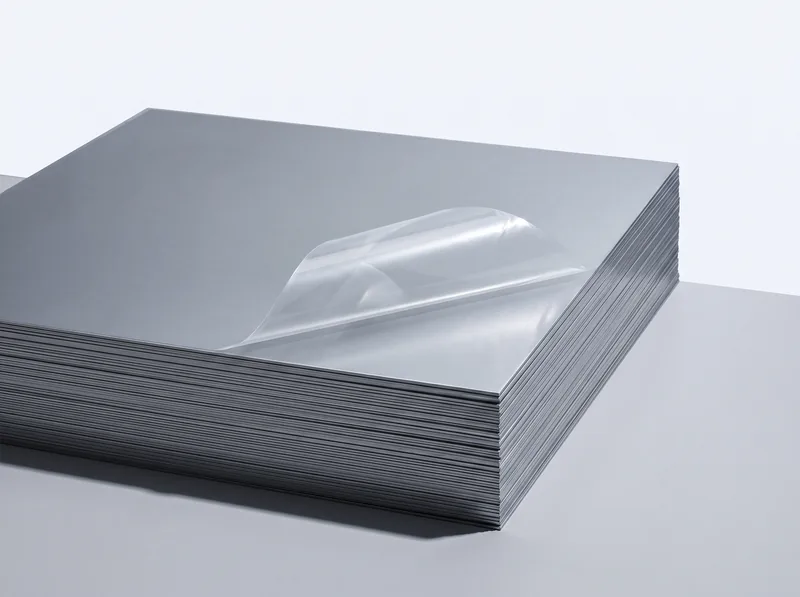
AISI 304 / 304L · 08Kh18N10 · 1.4301 · 2B / BA / No.1 · t 0.5–50 · 1 500×3 000 · ASTM A240
Stainless sheet AISI 304 / 304L
Chromium-nickel austenitic sheet for food and chemical equipment, tanks and architecture
AISI 316L · 03Kh17N14M3 · 1.4404 · 2B / No.1 · t 0.5–50 · 1 500×3 000 · ASTM A240
Austenitic sheet with molybdenum for chloride environments, chemical plants, water treatment and marine equipment
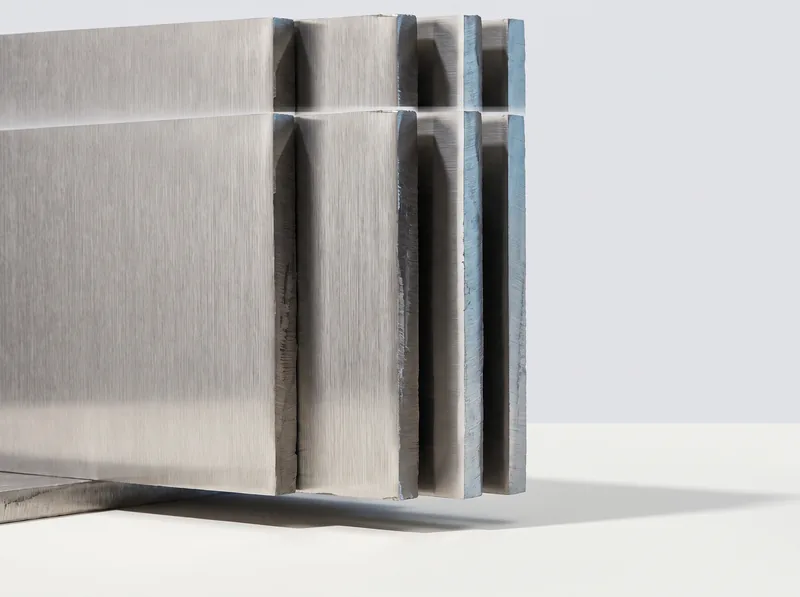
Pick a size in the table: each row has a quantity field in tonnes and an “Add to specification” button. Rows from several items go out as one request.
The same formula as the table below: metres to tonnes and tonnes to metres.
Formula
| t, mm | Weight, kg/m² | Sheet 1 500×6 000, kg | Add to specification |
|---|---|---|---|
| 0.5 | Weight, kg/m²3.92 | Sheet 1 500×6 000, kg35.3 | Add to specification |
| 0.8 | Weight, kg/m²6.28 | Sheet 1 500×6 000, kg56.5 | Add to specification |
| 1 | Weight, kg/m²7.85 | Sheet 1 500×6 000, kg70.6 | Add to specification |
| 1.2 | Weight, kg/m²9.42 | Sheet 1 500×6 000, kg84.8 | Add to specification |
| 1.5 | Weight, kg/m²11.8 | Sheet 1 500×6 000, kg106.0 | Add to specification |
| 2 | Weight, kg/m²15.7 | Sheet 1 500×6 000, kg141.3 | Add to specification |
| 2.5 | Weight, kg/m²19.6 | Sheet 1 500×6 000, kg176.6 | Add to specification |
| 3 | Weight, kg/m²23.5 | Sheet 1 500×6 000, kg211.9 | Add to specification |
| 4 | Weight, kg/m²31.4 | Sheet 1 500×6 000, kg282.6 | Add to specification |
| 5 | Weight, kg/m²39.3 | Sheet 1 500×6 000, kg353.3 | Add to specification |
| 6 | Weight, kg/m²47.1 | Sheet 1 500×6 000, kg423.9 | Add to specification |
| 8 | Weight, kg/m²62.8 | Sheet 1 500×6 000, kg565.2 | Add to specification |
| 10 | Weight, kg/m²78.5 | Sheet 1 500×6 000, kg706.5 | Add to specification |
| 12 | Weight, kg/m²94.2 | Sheet 1 500×6 000, kg847.8 | Add to specification |
| 16 | Weight, kg/m²125.6 | Sheet 1 500×6 000, kg1 130 | Add to specification |
| 20 | Weight, kg/m²157.0 | Sheet 1 500×6 000, kg1 413 | Add to specification |
Plate mass per m² is 7.85·t, where t is the thickness in mm; sheet mass is for the 1 500×6 000 mm format.
Theoretical weight at steel density 7.85 g/cm³. Actual batch weight is by scale and mill certificate.
AISI 316L is an austenitic chromium-nickel-molybdenum steel: chromium 16–18 %, nickel 10–14 %, molybdenum 2–3 %, carbon up to 0.03 % to ASTM A240/A240M. Molybdenum raises resistance to pitting and crevice corrosion in chloride-bearing media — sea water, brines, water treatment reagents, cleaning solutions — where 304 steel develops pitting. Thin sheet is cold-rolled to GB/T 3280-2015 with a 2B finish, heavy plate is hot-rolled to GB/T 4237-2015 with a No.1 finish. The nearest equivalents are 03Kh17N14M3 to GOST 5632-2014, 022Cr17Ni12Mo2 to GB/T 20878, 1.4404 to EN 10088-2.
316L differs from 316 in carbon up to 0.03 %: welds in heavy plate retain resistance to intergranular corrosion without heat treatment. It differs from 304 in molybdenum and a higher nickel content, so 316L is chosen by the service environment, not by default. The nearest titanium-bearing GOST equivalent is 10Kh17N13M2T, the equivalent of 316Ti, not of 316L. The specification fixes the ASTM or EN grade against which the mill issues the certificate, the surface finish and the presence of protective film.
At the mill before shipment the bureau's inspector checks the composition of the sample sheets with a portable X-ray fluorescence analyser — molybdenum, nickel and chromium content against the grade limits — and compares it with the mill test certificate (MTC) by heat number; this rules out substitution of 316L by 304 or 201 steel. Thickness is measured with a micrometer at several points, format and squareness of cut with a tape, and the surface is examined for scores, dents, heat tint and damage to the film. Packaging with interleaving between sheets is checked. The report with photographs is handed to you before shipment. The calculated table below uses a density of 7.85 g/cm³; the density of 1.4404 steel to EN 10088 is 8.0 g/cm³, so the actual weight by weighing at the mill is about 2 % above the calculated one and is stated in the packing list.
Timber pallet or crate: sheets with protective film, paper interleaving between sheets, steel top cover, strapped with steel band; mill tag with grade, heat, thickness, finish and number of sheets.
Equivalents are the nearest, not identical: the exact grade and standard are written into the contract.
| GOST | GB (China) | ASTM | EN | Note |
|---|---|---|---|---|
| St3sp / St3ps | GB (China)Q235B | ASTMA36 | ENS235JR | NoteNearest equivalents. Q235B and S235JR specify impact toughness at +20 °C, GOST 14637 by category; A36 has a higher yield strength, 250 MPa. |
| 09G2S | GB (China)Q355B (Q345B before 2018) | ASTMA572 Grade 50 | ENS355JR / S355J2 | NoteNearest equivalents by strength. The 09G2S category for impact toughness at −40 or −70 °C is specified separately; Q355B is tested at +20 °C. |
| 08ps | GB (China)DC01 | ASTMA1008 CS Type B | ENDC01 | NoteSPCC to JIS G3141 is the same class of general-purpose cold-rolled low-carbon steel. |
| 08ps to GOST 14918 | GB (China)DX51D+Z | ASTMA653 CS Type B | ENDX51D+Z | NoteThe DX51D+Z designation in GB/T 2518 matches EN 10346. Zinc coating weight (Z100–Z275) is specified separately from the grade. |
| GOST 34180 based on 08ps | GB (China)TDC51D+Z | ASTMA755 based on A653 | ENDX51D+Z to EN 10169 | NoteThe grade describes the steel substrate and the zinc. Type and thickness of the polymer layer, RAL colour and environment class are set by the specification. |
| 08Kh18N10 | GB (China)06Cr19Ni10 | ASTM304 | EN1.4301 (X5CrNi18-10) | Note12Kh18N10T is the equivalent of titanium-stabilised grade 321, not of 304. |
| 03Kh18N11 | GB (China)022Cr19Ni10 | ASTM304L | EN1.4307 (X2CrNi18-9) | NoteLow-carbon version of 304 (carbon up to 0.03 %) for welded structures without subsequent heat treatment. |
| 03Kh17N14M3 | GB (China)022Cr17Ni12Mo2 | ASTM316L | EN1.4404 (X2CrNiMo17-12-2) | NoteMolybdenum 2–3 % to ASTM A240. Mills in China certify to ASTM or EN; the GOST grade is entered in the MTC on request as an equivalent. |
Equivalents are the closest match, not identical: chemistry and tolerances differ between standards. The exact grade and standard are written into the contract.
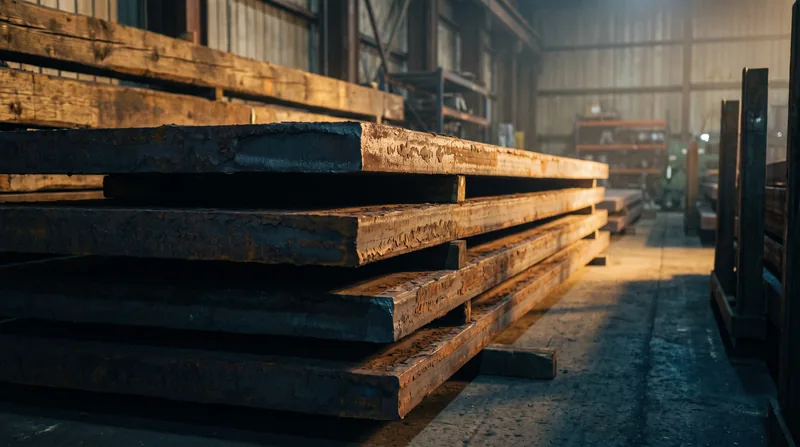
The batch is checked against the order at the mill before shipment: sizes, markings, heat numbers on the certificate and tags, packing
Documents
01
Heat number, chemical composition, mechanical properties and standard for every heat in the batch.
02
Measurements, markings, packing, weighing and bundle numbers, drawn up at the mill before shipment.
03
Items, sizes, quantities and mass by bundle: what the warehouse acceptance is checked against.
04
Confirms the mill and country of manufacture for customs clearance.
AISI 304 / 304L · 08Kh18N10 · 1.4301 · 2B / BA / No.1 · t 0.5–50 · 1 500×3 000 · ASTM A240
Chromium-nickel austenitic sheet for food and chemical equipment, tanks and architecture
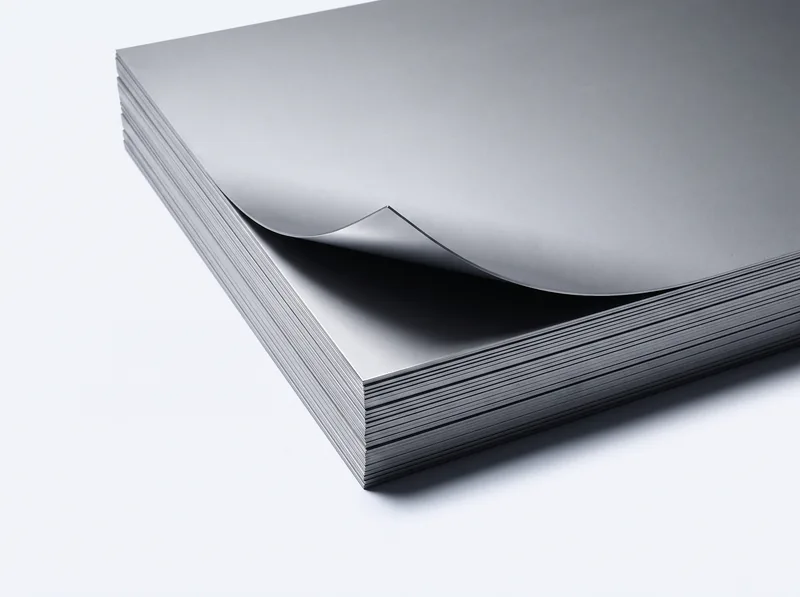
08ps · DC01 · SPCC · t 0.5–3 · 1 250×2 500 · GOST 19904
Cold-rolled low-carbon steel sheet with close thickness tolerance and clean surface for stamping, bending and painting
Price request
Price depends on grade, size, tonnage and delivery terms on the day of contract.
Request received
This site keeps only your chosen language, the specification list, your sound choice and a note of this notice in your browser. There are no third-party counters or advertising cookies. Cookies